
No products in the cart.
How to Identify a Quality Jellyfish Lamp
Jellyfish lamps vary widely in build, performance, and durability. While genuine high-quality lamps are engineered for smooth movement and long-term use, many low-cost alternatives mimic the look but fail in essential functions. Understanding these differences helps you avoid unreliable knockoffs.
Material & Construction
Authentic jellyfish lamps use durable acrylic, a stable base, and a properly sealed tank. These features maintain clarity and prevent leaks.
Cheap models rely on thin plastic and loose assembly, leading to scratches, wobbling, and water issues.
Jellyfish Realism
High-quality lamps include silicone jellyfish, which offer natural buoyancy and lifelike motion.
Fake lamps use stiff plastic jellyfish that move unnaturally or not at all.
Lighting Performance
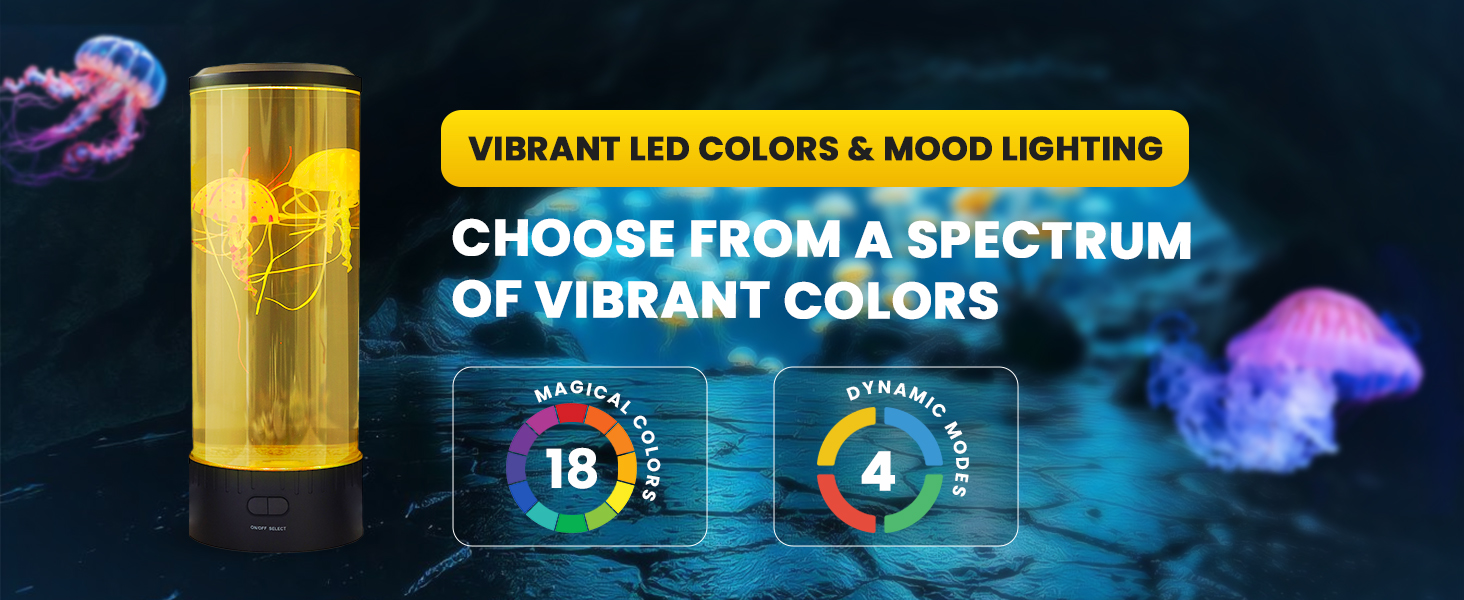
Authentic lamps provide bright LEDs, smooth transitions, and even color distribution.
Knockoffs frequently show dim lighting, abrupt color changes, and uneven illumination.
Water Flow & Movement
Engineered hydrodynamics in real lamps ensure steady, uninterrupted jellyfish movement.
Cheap lamps lack proper flow design, leading to stagnant zones and stuck jellyfish.
Conclusion
The difference between real and fake jellyfish lamps lies in engineering, materials, lighting, and movement quality. Authentic models deliver smooth motion, silent operation, and lasting visual appeal, while knockoffs mimic the look but fail in performance and durability. Choosing a genuine, well-crafted lamp ensures a reliable and calming sensory experience.




Add comment