
No products in the cart.
What Are the Signs and Solutions for Sensory Overload in Children?
Sensory overload happens when a child receives more input than their brain can process at once. Sounds, lights, textures, or movement become overwhelming, leading to stress, anxiety, or a meltdown. Understanding these reactions helps parents create a calmer, more supportive environment for their child.
Recognizing the Signs:
Subtle to Intense Reactions: Children may cover their ears, avoid touch, become irritable, or seem unusually tired. Sudden crying, withdrawal, or clinging can signal that the environment feels too loud, too bright, or too chaotic.
Common Triggers:
Everyday Overstimulation: Bright lights, crowded spaces, strong smells, rapid movement, or unexpected noises often overload sensitive children. Even routine tasks like shopping or school transitions can feel overwhelming without a predictable atmosphere.
Creating a Calming Space:
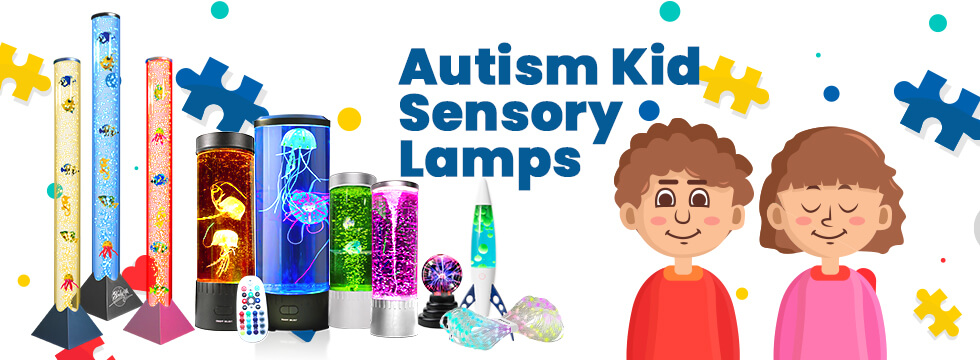
Gentle Sensory Tools: A quiet corner with soft lighting, bubble lamps, or jellyfish lamps provides visual calm. These slow, soothing motions help children regulate their senses and shift their focus away from chaos. Dimming lights and reducing noise also support emotional recovery.
Long-Term Support:
Predictable Routines: Children cope better with clear expectations. Consistent lighting cues, morning-to-evening routines, and sensory breaks prevent overload before it begins. Visual calm—especially from soft, controlled lighting—helps children feel grounded throughout the day.
Conclusion
Sensory overload can be challenging for children, but early recognition and the right calming tools make a meaningful difference. By reducing environmental triggers and creating a soothing atmosphere with gentle sensory lighting, parents can help children feel safer, regulate faster, and move through their day with more confidence and comfort.






Add comment