
No products in the cart.
Calm Thanksgiving: Sensory Tools to Reduce Overstimulation
Thanksgiving gatherings typically involve increased social interaction, bright lighting, strong food-related aromas, and elevated noise levels. These environmental changes can contribute to sensory overload, particularly for individuals with autism or sensory processing differences. Theoretical models of sensory regulation suggest that modifying environmental stimuli can help reduce stress responses. Sensory lamps and related tools function as controlled sensory inputs that support calmer, more predictable conditions.
Sensory Overload During Thanksgiving: A Theoretical Overview
Environmental psychology indicates that overstimulation occurs when sensory input exceeds an individual’s processing threshold. Thanksgiving often includes:
simultaneous conversations
unpredictable movement of guests
visually complex décor
contrasting lighting conditions
multiple auditory sources (music, kitchen noise, chatter)
changes in routine and social expectations
These factors can create a high-sensory-load environment, increasing the likelihood of emotional distress or dysregulation.
Theoretical Role of Sensory Lamps in Reducing Overstimulation
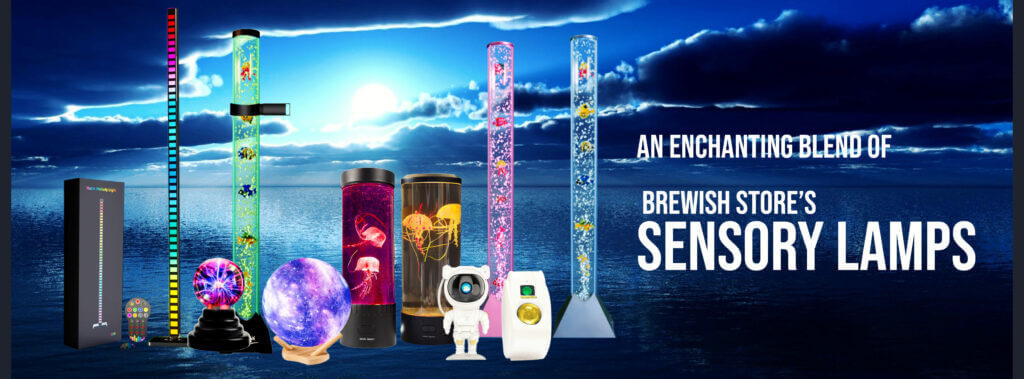
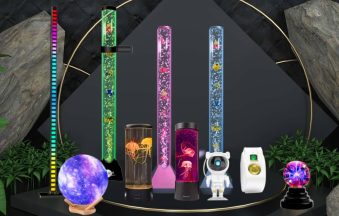
Sensory lamps provide low-intensity, predictable visual input. The rhythmic motion and controlled illumination regulate attention and support emotional grounding.
Bubble Tube Lamps
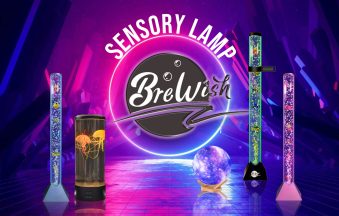
Bubble tubes, with their steady bubble flow and stable color transitions, provide continuous visual movement. The consistent auditory hum can function as ambient noise, which lowers the relative impact of background chaos.
Jellyfish Lamps
Jellyfish lamps simulate fluid, slow-motion movement. The predictable drift patterns create a visual anchor point that may support self-regulation, particularly during high-sensory events.
Mood Lighting (LED Lamps)
Warm or dimmable LED lamps reduce the stark contrast associated with bright overhead lighting. Theoretical evidence suggests that softer light lowers physiological arousal and supports a calm environment.
Thanksgiving Sensory Activities and Their Regulatory Basis
Certain structured activities help regulate sensory processing by providing predictable, low-intensity stimuli.
Low-Light Story Engagement
Reading or quiet engagement near a sensory lamp introduces stable visual and auditory input, promoting focused attention instead of chaotic sensory exposure.
Theoretical Framework for a Sensory-Friendly Quiet Zone
A quiet zone serves as a low-stimulation microenvironment for self-regulation. Research emphasizes the importance of creating predictable sensory conditions.
Core Environmental Elements
a single sensory lamp providing slow, consistent visual cues
soft seating options to reduce physical strain
minimal decorative density
low-lighting conditions
noise-reducing tools such as headphones
weighted materials to support proprioceptive feedback
controlled olfactory input
This space acts as a buffer zone, giving individuals a regulated environment separate from the high-stimulus holiday setting.
Theoretical Value of Sensory Tools for Holiday Regulation
Several sensory tools align with sensory integration theory and emotional regulation models:
slow-moving visual lamps
weighted items that enhance proprioceptive grounding
Conclusion
From a theoretical standpoint, reducing sensory overload during Thanksgiving involves modifying environmental stimuli to create a calmer, more predictable sensory field. Sensory lamps play a significant role in providing stable, low-intensity visual regulation. When combined with structured sensory activities, controlled lighting, and predictable routines, the overall sensory load decreases, contributing to an environment better suited for individuals with autism or sensory sensitivities.








Add comment